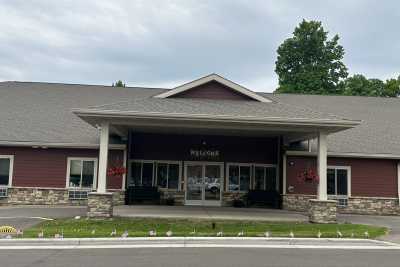
Assisted living communities in Wisconsin provide residential care for older adults who need help with activities of daily living (ADLs), such as bathing, dressing, and grooming, while maintaining as much independence as possible. The average monthly cost of assisted living in Wisconsin is $4,424, according to A Place for Mom’s proprietary data. Across the state, from Madison to Bayfield, families can find communities that offer supportive care, engaging activities, and a strong sense of community, alongside access to Wisconsin’s lakes, parks, and local traditions.

Excellent communication w/ all Staff very clean and peaceful atmosphere very caring and empathetic w/ moms emotions. So thankful she can have a cat here was the main reason in choosing the Waterford.
The staff are all friendly and super helpful and supportive. There is a great variety of activities offered for residents to participate in.
I like everything! The people the staff meals! I have a button I can press for help. I fell out of bed and I was so thankful there were people to help me get back into bed safety. They are here 27/7.
I like a lot about this community. They keep us very busy and engaged. The residents that live here are really nice and I feel like I belong here. I like the food. The staff that work here and very nice.
From the moment we walked into the community, we felt a genuine sense of warmth and care. [removed name], the manager, is truly exceptional—compassionate, attentive, and always available. His leadership is...
Costs are lower than other facilities, but some amenities are not as good such as meals, activities. Staff does care. Would recommend to others who have a budget. Facilities, rooms are nice, well maintained,...
The staff are all friendly and super helpful and supportive. There is a great variety of activities offered for residents to participate in.
I love my apartment, the staff is really friendly and tries to please. The thing they could specifically improve upon as the food. They use a lot of highly processed foods very little protein served cold and...
Staff is great they help her and she lost her phone they had picked up and put it somewhere safe and as she was asking they said hold on is this yours -it was ! Front desk is also very pleasant. Food - there...
Staff and fellow residents were very welcoming. The room was very spacious as well. There were plenty of activities available to take part in. The activity director was outstanding and we could tell he...
Mom has been very very happy there their closest thing to being and feeling independent but having constant care and not having to worry about taking her meds. Overall very very impressed with everything...
I like it here. They have BINGO, they do art, bring me snacks, I grow my own tomatoes, I don't need nothing else. Sometimes I feel like some people are favorites, but that's just how it is. Workers are nice....
Attentive staff, delicious meals, prompt attention to questions, respectful attitude to staff, visitors, and residents. Multiple fun activities every day. Beautiful apartments in a quiet but well resourced...
The Ridge at Madison is a very nice community. Everyone seems very friendly. The staff here do as an excellent job with the residents.
Helpful. Good information. I have recommended your site to others. [name removed] has been there 2 years now. Very happy. Activities, meals , entertainment.
The average cost of assisted living in Wisconsin is $4,424 per month or $54,088 per year, according to A Place for Mom’s proprietary data.[01] This is about $330 less per month than the national average and includes room and board at our partner communities in the state. Location, level of care, offered amenities, and other factors can affect the total cost of assisted living.
In terms of cost, Wisconsin’s assisted living communities are comparable to those of its neighbors. Communities in Iowa, Illinois, and Minnesota tend to charge more, while those in Minnesota and Michigan charge less. Within the state, the monthly cost for communities located in the urban centers of Milwaukee and Madison is usually higher than the state’s average. In more suburban or rural locations, such as Beaver Dam or Baraboo, the cost of assisted living tends to be lower.
Memory care in Wisconsin costs more than assisted living, but for seniors living with Alzheimer’s or dementia, it may be the best care choice.
Read more:Assisted Living vs. Memory Care: 5 Key Differences
Average monthly costs
Wisconsin
US National average
Average monthly costs
| Community type | Wisconsin | U.S. | Cost difference |
|---|---|---|---|
| Assisted Living | $4,434/mo | $4,758/mo | 6.8% below national median |
| Memory Care | $4,466/mo | $5,022/mo | 11.1% below national median |
| Independent Living | $3,576/mo | $4,217/mo | 15.2% below national median |
Let our care assessment guide you
Our free tool provides options, advice, and next steps based on your unique situation.
In Wisconsin, families often rely on a mix of private funds and public programs to pay for assisted living. Costs and eligibility can vary, so it’s helpful to plan ahead and understand which options may apply to your loved one’s situation. For more details, explore our guide to paying for long-term care.
Private pay options are the most common way that families in Wisconsin cover the costs of assisted living. These options include personal savings and retirement accounts, Social Security benefits, funds from family, and other sources. A health savings account can help pay for medical expenses, and long-term care insurance can help cover custodial costs, such as help with activities of daily living (ADLs).
Senior veterans and their surviving spouses may be eligible for veterans benefits from the U.S. Department of Veterans Affairs (VA) that can help pay for assisted living. Because the process of applying for VA benefits can be complex, engaging an accredited veterans benefits counselor to help determine eligibility and complete applications can ensure your loved one is considered for all the benefits to which they’re entitled.
The Wisconsin Department of Veterans Affairs operates county-based veterans service offices in each of the state’s counties and tribal nations. Call 800-947-8387 or locate a nearby benefits counselor who can provide personalized help.
Medicaid is a program that’s funded and administered by the federal and state governments and designed to help people who have low incomes and certain disabilities and conditions cover health care costs. Wisconsin Medicaid won’t pay for the room and board costs of assisted living, but it may help pay for some services and products that seniors in assisted living need.[02]
In Wisconsin, seniors may qualify for Supplemental Social Security Income (SSI)-based Medicaid or Elderly, Blind or Disabled Medicaid. These programs can help cover certain medical expenses such as dental services, skilled nursing home services, hospice care, inpatient hospital services, labs and X-rays, and more. These programs are entitlements, so seniors who meet eligibility requirements don’t have to wait to receive benefits.[03,04]
Wisconsin also offers several home and community-based services (HCBS) waivers, which can offset the cost of certain services:[05]
Medicare is a federal health insurance program for seniors over 65 and people with certain conditions. Medicare won’t cover room and board at an assisted living community, but it can help pay for the medically necessary aspects of care such as doctor’s visits, hospital stays, surgery, physical and occupational therapy, and durable medical equipment.[08]
The Wisconsin State Health Insurance Assistance Program (SHIP) offers Medicare counseling for eligibility, enrollment, and plan options, including help with Wisconsin’s various state programs. For free, unbiased, and personalized guidance:

Assisted living communities in Wisconsin are licensed through the state’s Bureau of Assisted Living, which is part of the Department of Health Services’ Division of Quality Assurance. Wisconsin recognizes three types of residential community settings for assisted living:[09]
Wisconsin requires assisted living communities to be inspected at licensure and surveyed on an ongoing basis thereafter.[13]
Use the Wisconsin Division of Quality Assurance facility lookup tool to understand a community’s license status as well as their performance on annual surveys.
State regulations — and a community’s track record with inspections and licensing — offer important insights into safety and quality of care in senior living communities.
Download the Guide to Senior Living Licensure and Inspection Reports to learn what to look for in inspection reports and what questions to ask when touring communities. This resource explains how to use state licensure and inspection information to evaluate a community’s compliance, care standards, and responsiveness to issues.
Let our care assessment guide you
Our free tool provides options, advice, and next steps based on your unique situation.
A Place for Mom. (2026). A Place for Mom proprietary data.
Wisconsin Department of Health Services. Medicaid in Wisconsin.
Wisconsin Department of Revenue. (2025, Oct. 23). Supplemental Security Income-related Medicaid
Wisconsin Department of Revenue. (2026, Feb.24). Elderly, Blind, or Disabled Medicaid and SSI Medicaid member information.
Wisconsin Department of Health Services. (2026, Jan. 8). Home and community-based services (HCBS) settings rule.
Wisconsin Department of Health Services. (2025, Sept. 17). Family Care: benefits.
Wisconsin Department of Health Services. (2026, Feb. 24). IRIS (Include, Respect, I Self-Direct).
U.S. Centers for Medicare and Medicaid Services. Get started with Medicare. Medicare.gov.
Wisconsin Department of Health Services. (2023, Dec. 19). Residential and community-based care licensing and certification.
Wisconsin Department of Health Services. (2025, Aug. 25). Community-based residential facilities.
Wisconsin Department of Health Services. (2026, Feb. 24). Residential care apartment complexes.
Wisconsin Department of Health Services. (2026, Feb. 24). Adult family homes.
Wisconsin State Legislature. (2026, March 1.). Chapter 50. Uniform licensure: care and service residential facilities.
The information contained on this page is for informational purposes only and is not intended to constitute medical, legal or financial advice or create a professional relationship between A Place for Mom and the reader. Always seek the advice of your health care provider, attorney or financial advisor with respect to any particular matter, and do not act or refrain from acting on the basis of anything you have read on this site. Links to third-party websites are only for the convenience of the reader; A Place for Mom does not endorse the contents of the third-party sites.
Please enter a valid email address.