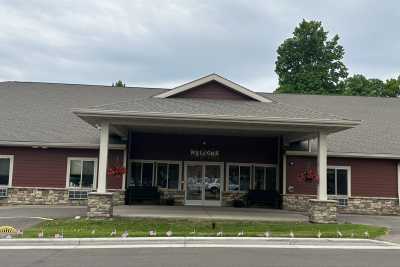
Wisconsin sits in the northern portion of the Midwest and is often referred to as “America’s Dairyland,” due to the state’s large number of dairy farms. Besides having great cheese, Wisconsin is known as a northern oasis, with many lakes and streams throughout the state – Wisconsin has some of the highest concentrations of fresh water in the country. Popular local pastimes include fishing, boating, hunting, and cheering on the Green Bay Packers. Whether you prefer spending time outdoors or enjoy living in a major city like Milwaukee, Wisconsin has got you covered.
Currently, A Place for Mom partners with more than 280 senior living communities in Wisconsin that provide memory care. The median monthly cost of memory care in Wisconsin is about $5,800.
The facility is always neat and clean. The staff treats their residents with dignity and respect. They take their time to address any problems etc. my mom needs extra care, they tend to her needs in a timely...
Very clean and helpful and friendly people work there prices are are good you can come and visit at any time we think that good all the people there have dementia and they are very good with them that all
I like everything! The people the staff meals! I have a button I can press for help. I fell out of bed and I was so thankful there were people to help me get back into bed safety. They are here 27/7.
I like that the residents go on outings, and that staff take and share photos of the outings. Long term staff know her name and her routine. They can work on staff retention; I see new faces often, usually...
We're so thankful we made the move to Discovery Commons Brookfield for our mom. She truly feels at home in her apartment, and seeing her happy brings such peace to our whole family. There have been a few...
5's across the board. This place is amazing and my mother loves it. I'm so happy with ProHealth Regency in Brookfield. We would wholeheartedly recommend ProHealth Regency Senior Living to other families.
The staff is absolutely wonderful. Very caring and d knowledgeable. I would recommend them to others who are searching for a place for their loved one.
1. Need a more timely system for opening the memory care door for guest families to come in. 2. Need more frequent showers for residents besides once a week-a sink bath in mornings would be great! 3. Mom's...
Wonderful caring facility. They aim to provide the best possible experience. They have a great activities employee so on Friday afternoon there is great entertainment. Also, we have a nurse on duty who can...
Staff and fellow residents were very welcoming. The room was very spacious as well. There were plenty of activities available to take part in. The activity director was outstanding and we could tell he...
The staff here is amazing and treat the residents with respect & care! Of course wish my loved one wouldn't have to be here, but it is a great place!
It is my opinion that most of the assisted independent living places in Wisconsin with a few exceptions of lousy food, but the rest of the accommodations are OK. I would recommend it, if people had a full...
The Waterford offers a friendly atmosphere. The caregivers are excellent and conscientious. The maintenance team is responsive to all my apartment needs. Dietary staff are very friendly and helpful. They...
Always willing to answer questions. [name removed] at the front desk is amazing and so helpful always. Executive director is available most of the time. The staff are friendly and talkative with residence...
Oak Park Place is very close to my home. Within walking distance. My only concern was staff turnover, never knowing who was on duty, inconsistent wearing name tags and lack of communication from staff at...
Memory care units in Wisconsin are considered a type of assisted living, which the Wisconsin Department of Health Services’ Division of Quality Assurance licenses. There are three types of assisted living facilities in Wisconsin that can offer memory care: residential care apartment complexes (RCAC), community-based residential facilities (CBRF), and adult family homes (AFH). Memory care units located in these facilities must obey assisted living regulations, in addition to dementia-related policies.
RCACs, CBRFs, and AFHs don’t need a specific license to offer memory care. However, when obtaining or renewing their assisted living license, they must disclose specific information about how they’ll help those with dementia. What must be shared varies depending on the facility.
Besides marketing the facility as providing a specialized memory care unit and completing a disclosure form, RCACs only need to comprehensively assess potential residents before admission. The assessment involves the resident’s active participation in gauging their physical/mental condition and learning what services the RCAC will need to provide.[01]
At licensure, CBRFs must state they will provide care for people with irreversible dementia such as Alzheimer’s. The facility must submit a description of the residents’ special needs and how they will be met to the Wisconsin Department of Health Services’ Division of Quality Assurance. This statement should also include structured activity programming information and how the facility will integrate it into the daily routines of residents with dementia.
Before admission, the facility assesses a prospective resident to identify their care needs, physical/mental condition, and what services they require to develop a care plan. This care plan must be finalized within 30 days of admission and reviewed annually or anytime a resident’s condition changes and warrants changes to their care plan.[01]
Like the other assisted living facility types, AFHs must make it publicly known they’re going to serve people with dementia. As part of the licensing process, the facility must develop a program statement describing the number of individuals the unit is willing to accept and how it will meet their needs.
Within 30 days of admission, the facility will develop a written assessment of new residents, as well as a personalized care plan. The assessment’s format depends on the facility, but it must thoroughly identify the person’s needs and physical/mental abilities.[01]
Memory care staff don’t need dementia-related education prior to being hired, nor are there direct staff-to-patient ratios. Nonetheless, state regulations note facilities must have enough employees to meet residents’ needs 24 hours a day. Staff in all three facilities must undergo memory care training that addresses managing the psychological needs of those with dementia within 90 days of employment.
CBRF training is more specific, with required topics including:[01]
Wisconsin Department of Health Services
1 West Wilson Street
Madison, WI 53703
Phone: 608-266-1865
State regulations — and a community’s track record with inspections and licensing — offer important insights into safety and quality of care in senior living communities.
Download the Guide to Senior Living Licensure and Inspection Reports to learn what to look for in inspection reports and what questions to ask when touring communities. This resource explains how to use state licensure and inspection information to evaluate a community’s compliance, care standards, and responsiveness to issues.


Let our care assessment guide you
Our free tool provides options, advice, and next steps based on your unique situation.
The Wisconsin Department of Health Services’ Division of Quality Assurance inspects and monitors all three types of assisted living facilities. CBRFs are the most strictly regulated, with licensing specialists inspecting facilities every two years through unannounced surveys. While there, the specialist records any violations in a Statement of Deficiencies (SoD) report. Facilities must acknowledge the problem(s) and develop a Plan of Correction (PoC) explaining the amendment(s) and any systems in place to ensure violations do not happen again. The inspections can occur earlier in response to filed complaints or to confirm a facility corrected any noted deficiencies.
The department has the authority, but isn’t required, to inspect RCACs or AFHs. Because of this, residents in these facilities must be notified pre-admission that the department doesn’t regularly visit or inspect them. The department does conduct inspections in response to complaints, though. Complaint inspections follow the same procedures as CBRFs.
Wisconsin has a thorough online provider search tool you can use to find a facility’s inspection, complaint, violation, and SoD reports. Facilities can be found by entering geographical information or checking any of the boxes under the “assisted living facilities” provider/facility type category and hitting the search button. The long-term care ombudsman service can also answer any questions you have concerning a facility’s violation history.
Assisted Living State Regulatory Review. (2022). Wisconsin.
Compendium of Residential Care and Assisted Living Regulations and Policy. (2015). Wisconsin.
The information contained on this page is for informational purposes only and is not intended to constitute medical, legal or financial advice or create a professional relationship between A Place for Mom and the reader. Always seek the advice of your health care provider, attorney or financial advisor with respect to any particular matter, and do not act or refrain from acting on the basis of anything you have read on this site. Links to third-party websites are only for the convenience of the reader; A Place for Mom does not endorse the contents of the third-party sites.
Please enter a valid email address.